

Vani Saptashrungi Temple: A Sacred Hill Shrine Blending Mythology, Devotion, and Natural Beauty

Introduction: A Divine Destination in the Sahyadri Hills
The Vani Saptashrungi temple stands as one of India’s most spiritually powerful and visually stunning pilgrimage destinations. Located amidst the rugged and lush landscapes of the Sahyadri Hills in Maharashtra, this revered shrine draws thousands of devotees every year who come seeking blessings, peace, and divine connection.
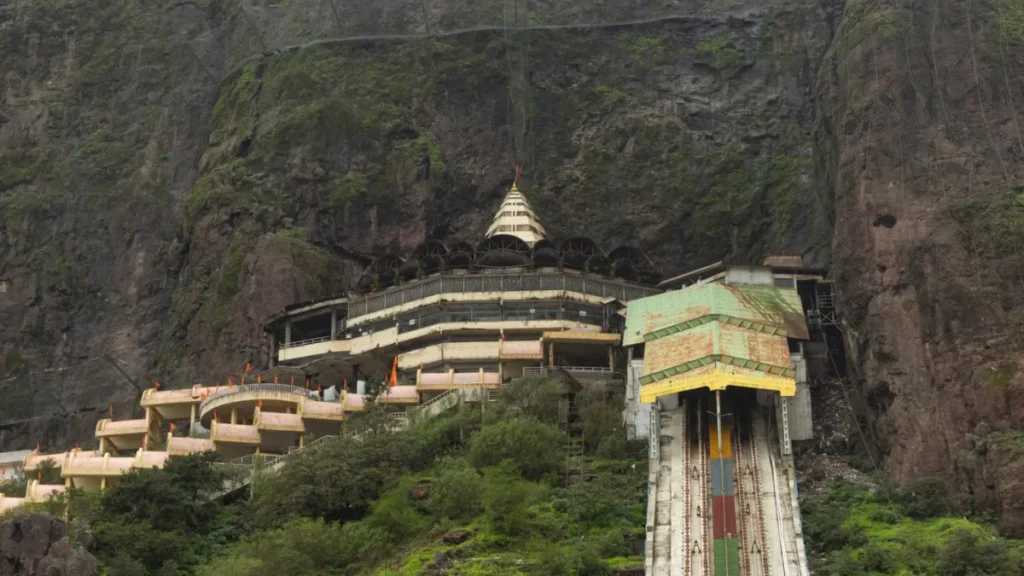
Perched at an altitude of approximately 4,659 feet above sea level, the temple derives its name from the seven mountain peaks that surround it-“Saptashrungi” literally meaning seven crests or peaks. This sacred geography gives the temple a mystical presence, where nature and spirituality blend seamlessly.
Recognized as one of the three-and-a-half Shakti Peethas of Maharashtra, the Vani Saptashrungi temple holds immense religious importance in Hindu belief systems. Pilgrims, trekkers, and nature lovers alike find themselves captivated by its serene yet powerful aura. Whether one arrives with devotion in their heart or a desire to explore the natural beauty of the Western Ghats, the temple offers an experience that transcends the ordinary.
Mythological Origins and Sacred History
The origins of the Vani Saptashrungi temple are deeply rooted in ancient Hindu mythology, giving it a timeless spiritual significance.
The Shakti Peetha Connection
According to sacred texts and legends, the temple is one of the revered sites associated with the story of Goddess Sati. After her self-immolation, Lord Shiva carried her body across the universe in grief, performing the cosmic dance known as Tandava. To restore balance, parts of her body fell at various locations, which became sacred Shakti Peethas.
It is believed that the right arm of Goddess Sati fell at the site of the Vani Saptashrungi temple, sanctifying the land and transforming it into a powerful center of divine energy.
The Legend of Mahishasura Mardini
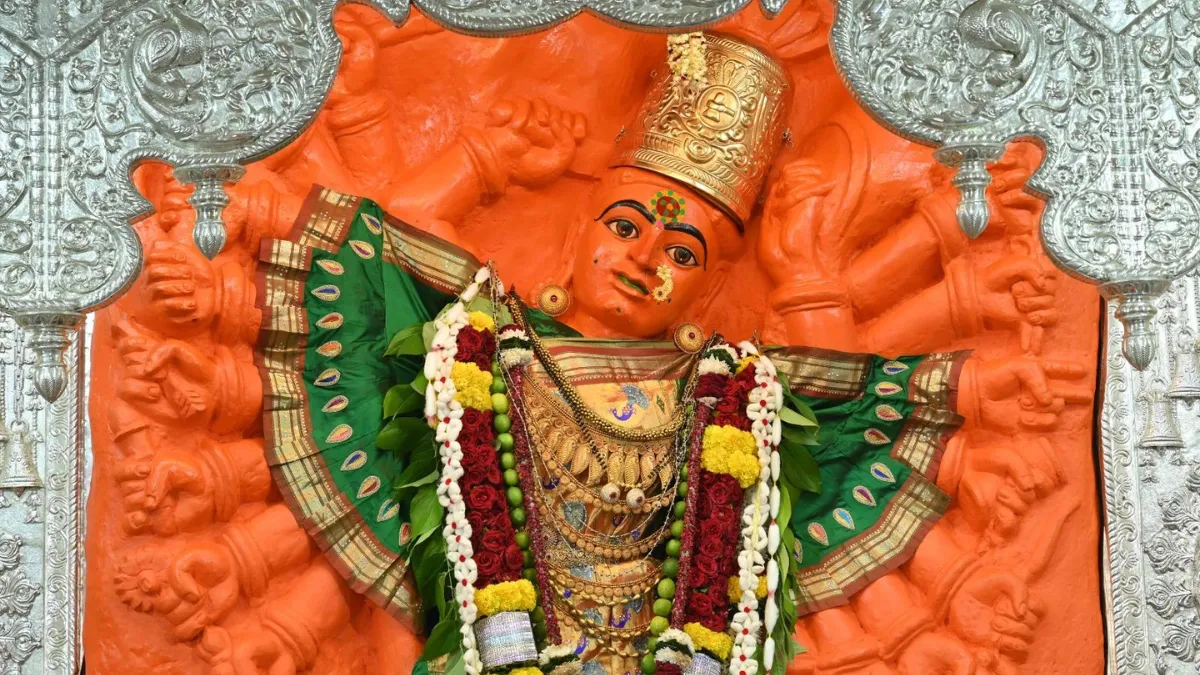
Another powerful legend associated with the temple revolves around Goddess Durga in her fierce form as Mahishasura Mardini. According to mythology, the Goddess manifested here with eighteen arms, each wielding a divine weapon, to defeat the demon Mahishasura.
The site where this epic battle is believed to have occurred is now the sacred location of the temple. Devotees strongly believe that the Goddess continues to protect them from negative forces, offering strength, courage, and spiritual guidance.
The Temple Architecture and Divine Idol
The Vani Saptashrungi temple is not just spiritually significant—it is also architecturally unique. Unlike many traditional temples, this shrine is carved into a steep cliffside, making it appear as if it naturally emerges from the mountain itself.
The Idol of the Goddess
At the heart of the temple lies the magnificent idol of Goddess Saptashrungi, which stands approximately eight feet tall. The idol is adorned with sindoor (vermilion), symbolizing power and auspiciousness. The Goddess is depicted with eighteen arms, each holding symbolic weapons that represent her ability to destroy evil and protect her devotees.
Her eyes, crafted from white porcelain, radiate compassion and divine grace. The expression of the idol is both fierce and benevolent, leaving a lasting impression on every visitor.
Accessibility and Pilgrimage Experience
Traditionally, devotees had to climb over 500 steps to reach the temple, making the journey a true test of faith and endurance. Today, a modern funicular trolley system has made the temple accessible to all, including elderly pilgrims and differently-abled visitors.
The temple complex also includes:
- A spacious prayer hall for gatherings
- Shops offering religious items and souvenirs
- Facilities for prasadam (holy meals) distribution
This blend of tradition and modern convenience ensures that every devotee can experience the divine comfortably.
Daily Rituals and Spiritual Practices
The daily life at the Vani Saptashrungi temple is filled with devotion, rituals, and sacred ceremonies that create a deeply spiritual atmosphere.
Key Rituals
- Mangala Aarti (Morning Prayer): The day begins at dawn with the awakening of the Goddess through hymns and chants.
- Abhishekam: The ritual bathing of the deity with holy substances.
- Alankar: The decoration of the idol with ornaments and flowers.
- Aartis Throughout the Day: Multiple prayer sessions allow devotees to connect with the divine at different times.
Each ritual is performed with precision and devotion, creating a powerful spiritual environment that resonates throughout the temple complex.
Festivals That Transform the Temple
The temple comes alive during major Hindu festivals, especially during Navratri celebrations.
Chaitra Navratri
Celebrated in March or April, this festival draws thousands of devotees. The temple is decorated with vibrant colors, and cultural processions fill the surroundings with music and devotion.
Sharadiya Navratri
Observed in September or October, this is another major festival when pilgrims from across India visit the Vani Saptashrungi temple to seek blessings.
During these periods, the temple becomes a hub of spiritual energy, where faith, culture, and tradition come together in a grand celebration.
Best Time to Visit
Planning your visit to the Vani Saptashrungi temple at the right time can enhance your overall experience.
- October to March: Ideal weather with cool temperatures and clear views
- Monsoon Season (June to September): Lush greenery and scenic beauty, though the paths may be slippery
- Navratri Period: Best for spiritual immersion, though it can be crowded
Travelers are advised to plan accommodations in advance during peak seasons.
How to Reach Vani Saptashrungi Temple
Reaching the Vani Saptashrungi temple is convenient due to its good connectivity.
By Air
The nearest airport is Nashik Airport, located about 80 km away. International travelers can arrive at Chhatrapati Shivaji Maharaj International Airport, approximately 231 km from the temple.
By Rail
The closest railway station is Nashik Road Railway Station, which connects to major cities like Mumbai, Pune, and Delhi.
By Road
The temple is well-connected by road from Nashik, Mumbai, and surrounding regions. State transport buses and private taxis offer a smooth and scenic journey through the Western Ghats.
Nearby Attractions to Explore
A trip to the Vani Saptashrungi temple can be enriched by exploring nearby spiritual and natural attractions.
Trimbakeshwar Temple
One of the twelve sacred Jyotirlingas dedicated to Lord Shiva, this temple is located around 75 km away and is a major pilgrimage site.
Anjneri Hills
Believed to be the birthplace of Lord Hanuman, this destination offers a rewarding trekking experience and panoramic views.
Panchvati
A spiritually significant location associated with Lord Rama, where he spent part of his exile.
Markandeya Hill
A Calm and meditative spot believed to be associated with Sage Markandeya.
Each of these places adds depth to your journey, making it both spiritually fulfilling and culturally enriching.
A Journey Beyond Religion
The Vani Saptashrungi temple is more than just a religious destination-it is a journey into India’s spiritual soul. Surrounded by majestic hills and steeped in mythology, the temple offers a rare combination of divine energy and natural beauty.
Whether you are a devotee seeking blessings, a traveler exploring heritage, or an adventurer drawn to the hills, this sacred site leaves a lasting impression. The echoes of chants, the sight of the majestic idol, and the serenity of the mountains together create an experience that is both humbling and uplifting.
For anyone planning a spiritual journey through Maharashtra, the Vani Saptashrungi temple stands as an essential destination—one that promises not just Visit, but transformation.