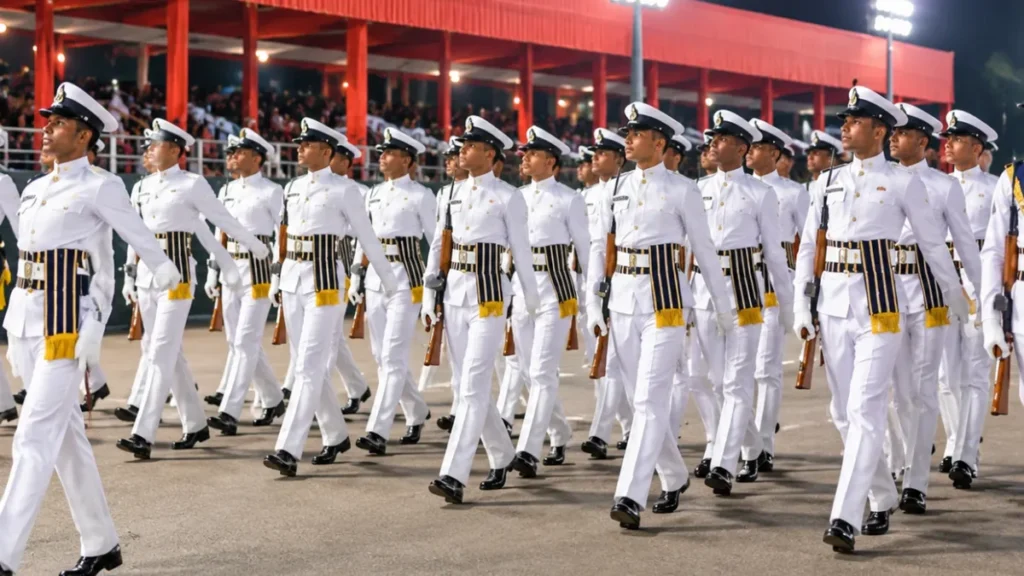
The Agnipath Scheme could bring significant changes to the future of Agniveers serving in the Indian Armed Forces. Under a proposed revised framework, Agniveers who are not selected for permanent service after their initial four-year tenure may get an opportunity to serve for another two years. After completing six years of service, they could become eligible to apply for permanent positions as regular soldiers, subject to strict selection criteria.
The proposed changes are expected to create new opportunities for thousands of young personnel serving across the Army, Navy and Air Force. However, physical fitness, medical standards, discipline and professional performance are likely to play a major role in determining who gets selected for permanent service.
According to a report by The Indian Express, discussions are underway to establish clear eligibility conditions for Agniveers seeking permanent positions after completing the extended six-year service period.
Agnipath Scheme: What Is Changing for Agniveers?
The most important aspect of the proposed changes concerns the 75% of Agniveers who are not selected for regular service after completing their initial four-year engagement.
Under the existing structure of the Agnipath Scheme, only 25% of Agniveers are retained in the regular cadre based on their performance and other eligibility requirements. The remaining 75% leave military service after four years and receive a financial package under the scheme.
Under the proposed revised arrangement, these 75% Agniveers may get an opportunity to serve for an additional two years. Following this extended period, they could apply for permanent positions in the armed forces.
However, completing six years of service would not automatically guarantee permanent recruitment. Candidates would still need to meet the eligibility standards and clear the selection process prescribed by the respective service.
Why Is the Government Considering Changes to the Agnipath Scheme?
The Indian Armed Forces are increasingly adopting modern technologies, advanced weapons systems and specialised equipment. As military operations become more technology-driven, the forces need personnel who can handle modern equipment confidently and perform specialised duties.
For this reason, professional experience and technical knowledge are expected to receive considerable importance during the selection process.
Agniveers who have demonstrated strong performance in their assigned roles, developed technical skills and gained practical experience with modern military equipment may have an advantage.
Officials involved in the discussions are also examining the health, discipline and overall performance records of personnel before finalising the eligibility conditions.
Physical Fitness and Medical Standards May Become Important Selection Factors
Medical fitness is expected to be one of the key considerations for Agniveers seeking permanent positions.
According to the report, the armed forces are examining whether personnel placed in certain Low Medical Category (LMC) classifications should be eligible for regular service after completing the extended tenure.
The discussions also include cases involving health conditions unrelated to military duties, including problems associated with alcohol dependency.
One concern raised during these discussions is the growing number of medical cases among regular military personnel. Lifestyle-related health conditions have reportedly become an important issue for the armed forces.
However, not all medical cases are the same. Special consideration may be required for soldiers who suffer injuries during combat or develop medical problems directly connected to their military duties.
The final policy may therefore distinguish between different medical categories rather than applying one common rule to everyone.
Excellent Physical Test Performance May Be Required
Physical fitness could become another major requirement for Agniveers seeking permanent recruitment.
One of the proposals under consideration is that candidates completing the additional two years of service should achieve an Excellent grade in the Combined Physical Test.
This would help the armed forces identify personnel who can maintain the physical standards expected from regular soldiers.
Apart from physical fitness, shooting performance may also influence the final selection.
Candidates may be required to achieve at least a First Category rating in firing tests.
Understanding the Army’s Firing Performance Categories
The Indian Army classifies shooting performance into three broad categories:
- Marksman: The highest level of shooting performance.
- First Shot: The second category, indicating a good level of shooting ability.
- Standard Shot: The third category.
The detailed assessment standards and qualifying requirements associated with these categories are not publicly disclosed.
These evaluations are expected to help the armed forces identify Agniveers who demonstrate accuracy, consistency and the ability to handle weapons effectively.
What Does Low Medical Category (LMC) Mean?
Low Medical Category is a classification used by the armed forces for personnel who have certain medical conditions or physical limitations that affect their service-related fitness.
Broadly, LMC cases can be divided into three categories depending on the circumstances behind the medical condition.
1. Injuries sustained during war
This category includes soldiers who suffer injuries while participating in combat operations or during wartime duties.
2. Medical conditions connected to military service
This category covers personnel who develop injuries, disabilities or medical conditions while performing military duties. It may also include conditions that become worse because of the nature of military service.
3. Medical conditions unrelated to military service
This category includes health conditions that are not connected to military duties and have not become worse because of military service.
There is reportedly an ongoing discussion about whether Agniveers placed in certain LMC categories should be considered for permanent positions after completing six years.
At the same time, personnel injured during combat or affected by medical conditions directly related to military service could receive special consideration.
The exact rules and possible exemptions have not yet been finalised.
Can Minor Disciplinary Issues Affect Permanent Selection?
Discipline is another area that could receive considerable attention under the revised Agnipath Scheme.
The armed forces maintain strict disciplinary standards, and service records can play an important role in evaluating personnel.
Military disciplinary punishments broadly include Red Ink Entries and Black Ink Entries. The nature of the punishment depends on the seriousness of the offence and the circumstances surrounding the incident.
Officials are reportedly considering whether even minor disciplinary violations during the additional two-year service period should affect an Agniveer’s chances of becoming a regular soldier.
The objective would be to ensure that candidates selected for permanent service demonstrate responsible behaviour, professionalism and respect for military discipline.
Special Selection Examination May Be Conducted After Six Years
Another proposal under discussion is to organise a dedicated selection examination at the unit level towards the end of the additional two-year service period.
This examination could assess Agniveers across several areas, including:
- Written examination and professional knowledge.
- Physical fitness and endurance.
- Weapon handling and firing performance.
- Overall service record and discipline.
- Other eligibility requirements prescribed by the armed forces.
The final merit list would be prepared by considering candidates’ performance across these assessments and other applicable selection conditions.
This approach could help the armed forces evaluate Agniveers more comprehensively before offering them permanent positions.
Agniveers May Receive a New Certificate With Four Career Options
Under the proposed revised arrangement, Agniveers may also receive a new certificate explaining the available career options after completing their initial four-year engagement.
The proposed framework includes four possible choices.
1. Direct Entry Into the Regular Military Cadre
Agniveers who want to continue their military careers as regular soldiers may choose this option.
Those who meet the applicable selection requirements could be considered for permanent service based on their performance and eligibility.
2. Two Additional Years to Qualify for Permanent Service
Agniveers who are not selected under the initial 25% retention category but still want to become regular soldiers may opt for an additional two years of service.
After completing this period, they could apply for permanent positions, provided they meet the required standards.
3. Continue Serving for Two More Years Without Seeking Permanent Recruitment
Some Agniveers may prefer to extend their military service without pursuing permanent recruitment.
This option would allow them to serve for another two years without necessarily entering the selection process for the regular cadre.
4. Leave Military Service After Four Years
Agniveers who do not wish to continue serving in the armed forces after completing their initial four-year tenure could choose to leave.
They would be eligible for the benefits and financial package applicable under the scheme.
When Will the Revised Agnipath Scheme Be Implemented?
Although several proposals concerning the future of Agniveers are being discussed, the detailed selection conditions have not yet been officially finalised.
The Headquarters Integrated Defence Staff (HQ IDS), when approached by The Indian Express regarding the proposed selection criteria, indicated that discussions were still underway.
Therefore, Agniveers should wait for an official notification before treating the proposed changes as confirmed rules.
What These Changes Could Mean for Agniveers
The proposed changes could make the Agnipath Scheme more flexible by giving a larger number of Agniveers an opportunity to continue their military careers.
An additional two years of service could provide personnel with more time to improve their professional skills, gain operational experience and demonstrate their suitability for permanent positions.
At the same time, stricter standards for physical fitness, medical eligibility, firing skills and discipline could make the selection process more competitive.
For thousands of young people serving in the Indian Armed Forces, these developments could become an important turning point. However, the final outcome will depend on the official policy approved and announced by the government and the respective armed forces.
Also read: Driving License Address Change Online: Complete Step-by-Step Process